
Paint by numbers is a painting method where a canvas is divided into numbered sections, and each number matches a specific paint color. Instead of sketching or mixing colors yourself, you simply follow the printed guide until the image is complete.
Many people first discover modern paint by numbers kits as an easier alternative to traditional painting because the process removes the pressure of drawing or choosing colors correctly. Even complete beginners can gradually create detailed landscapes, animals, famous paintings, or portraits by painting one section at a time.
The method became popular in the 1950s and is still widely used today as a relaxing creative hobby for adults.
What Does Paint by Numbers Mean?
"Paint by numbers" has two meanings. Literally, it is a way of painting where a canvas is divided into numbered areas and each number matches a paint color, so you create a picture by filling in the areas. Figuratively, "paint-by-numbers" describes anything done by following a fixed formula, with little creativity or independent thought.
The Literal Meaning: Painting by Numbered Areas
The painter follows a pre-designed system: the composition, shading and color placement are already printed on the canvas. The goal is to complete the artwork area by area until every number is covered.
The Figurative Meaning: "Paint-by-Numbers" as an Expression
Used as an adjective, usually hyphenated, "paint-by-numbers" means formulaic, predictable or done by the book. A "paint-by-numbers plot" follows a familiar pattern, and a "paint-by-numbers approach" follows instructions without adapting them. A "paint-by-numbers life" is one that follows a set script, such as school, a safe job and a house, without many personal choices along the way.
Similar expressions include by the book, cookie-cutter, formulaic and going through the motions. The phrase comes from the kits themselves, where every decision is made for you before you pick up a brush.

Who Invented Paint by Numbers?
Paint by numbers was invented by Dan Robbins, a commercial artist at the Palmer Paint Company in Detroit, and launched in 1951 under the Craft Master brand. The company's owner, Max Klein, backed the idea and turned it into a mass-market product.
Robbins said he was inspired by Leonardo da Vinci, who reportedly used numbered patterns to show students and apprentices where colors should go. The first kits contained a numbered canvas-covered board, numbered paints and two brushes, and were sold with the slogan "Every Man a Rembrandt!" By 1954, more than 12 million kits had been sold.
Art critics dismissed the hobby as mechanical, but it became part of 1950s American culture. In 2001 the Smithsonian's National Museum of American History held an exhibition about it, Paint by Number: Accounting for Taste in the 1950s. Dan Robbins died in 2019 at the age of 93.
How Paint by Numbers Works
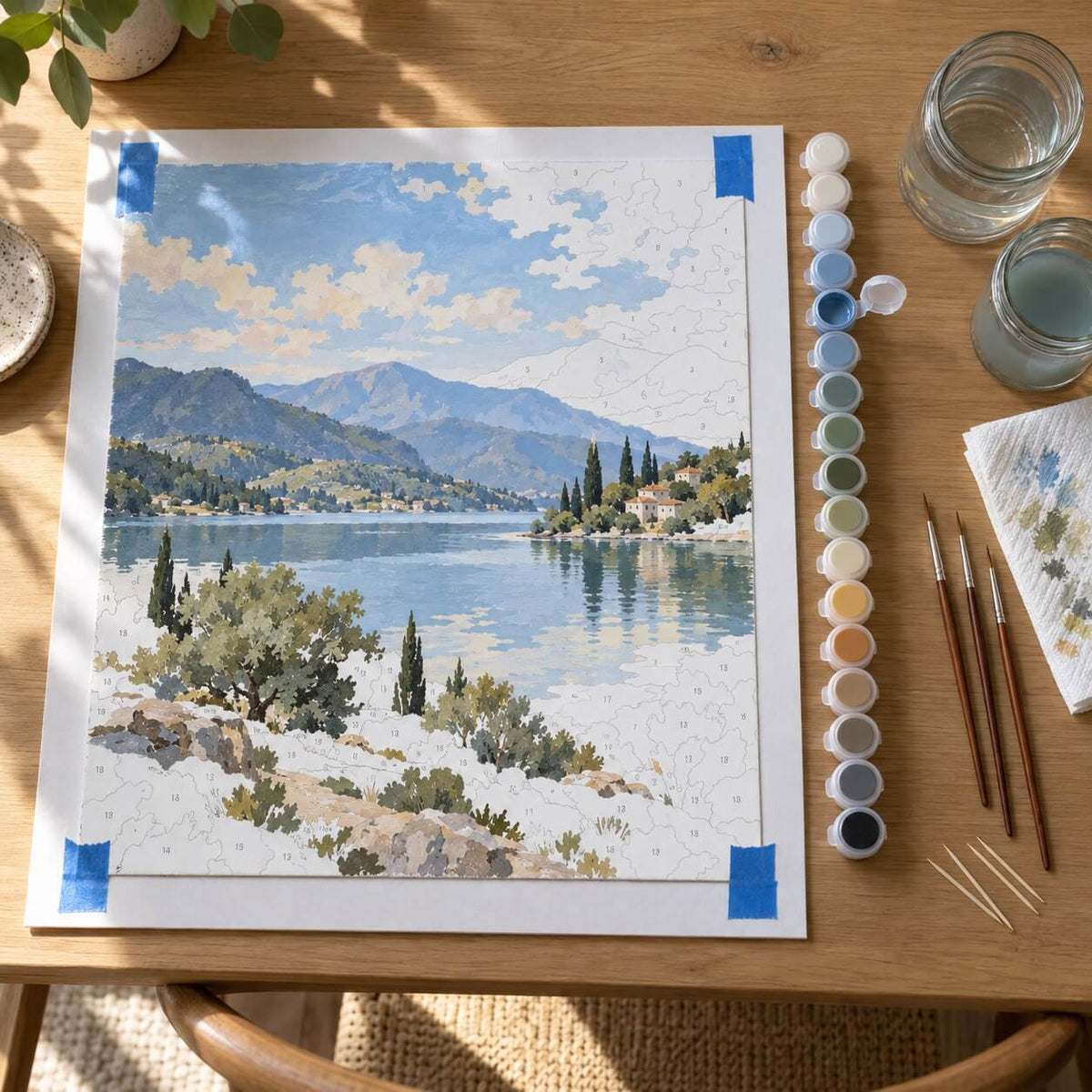
A paint by numbers canvas is printed with the outline of a picture, divided into small areas. Each area carries a number, and each number matches a paint pot with the same number. The reference sheet shows how the finished painting should look.
The design already contains every decision about composition, shading and color. The painter's job is to fill each area neatly with the right paint, usually one color at a time, until no numbers are left. For the full process, from preparing the canvas to the final coat, follow our step-by-step guide to painting by numbers.
Why People Enjoy Paint by Numbers
One reason paint by numbers became popular is that it removes the fear of making artistic mistakes. The structure is already prepared, so people can focus more on the painting process itself.
Many adults use it as a quiet screen-free hobby during evenings or weekends. Others enjoy the satisfaction of slowly watching blank sections turn into a recognizable image.
Large detailed canvases can take many hours to complete, which is also why some people compare the process to puzzles or other repetitive creative hobbies.
Practical Tips for Better Results
Most beginner problems come from paint that is too thick or too watery, and from painting next to areas that are still wet. Thin coats, a damp brush and patience between layers solve most of them. For specific techniques such as covering numbers, keeping edges clean and blending, see our paint by numbers tips for better results.
What Is Included in a Paint by Numbers Kit
A typical paint by numbers kit usually includes:
- a pre-printed numbered canvas
- acrylic paint pots
- several brushes in different sizes
- a paper reference sheet
Most kits use acrylic paint because it provides better coverage and control than watercolor; our comparison of watercolor paint by numbers vs acrylic explains the practical difference.
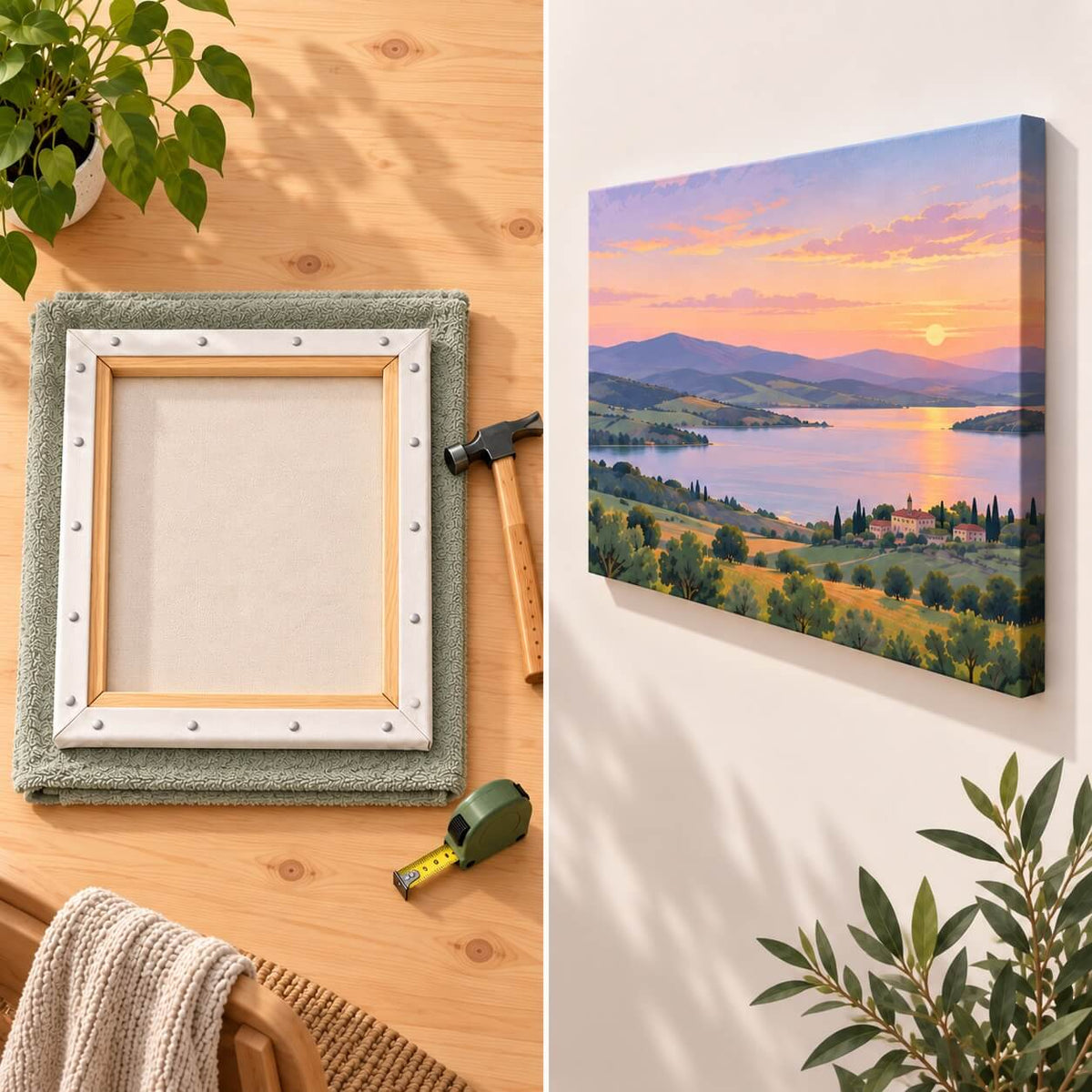
Some framed versions also include a stretched wooden frame, while rolled canvases arrive without mounting.
Higher-quality kits often use thicker cotton canvases with cleaner printing and more accurate color separation.
Types of Paint by Numbers Kits
Standard kits use pre-designed artwork with fixed colors and layouts. These are the most common option for beginners.
Custom paint by numbers kits allow you to upload a personal photo and convert it into a numbered canvas. They are often used for pets, family portraits, wedding photos, or travel memories.
There are also major differences in complexity. Smaller canvases with fewer colors are usually easier, while large highly detailed kits can contain dozens of paint shades and hundreds of tiny sections.
What to Look for in a Paint by Numbers Kit
Canvas quality affects the final result more than many beginners expect.
Thin canvases can wrinkle more easily and sometimes allow paint to bleed through printed lines. Thicker canvases usually produce cleaner edges and a more stable surface.
The number of colors also changes the difficulty level. Fewer colors create simpler artwork, while more shades increase realism and smoother transitions.
Brush quality matters as well. Very soft or damaged brushes make small sections noticeably harder to paint cleanly.
Common Paint by Numbers Mistakes
The most common beginner mistakes include:
- applying paint too thick
- not allowing sections to dry
- using large brushes in tiny areas
- forgetting to rinse brushes between colors
- leaving paint containers open for too long
These problems usually lead to uneven surfaces, blurry edges, or muddy colors.
One common frustration for beginners is trying to finish the canvas too quickly. Slower careful layers almost always produce a cleaner final image.
Is Paint by Numbers Real Art
Some people view paint by numbers as a guided craft rather than traditional original art because the composition already exists before painting begins.
Others see it differently because the finished piece is still painted by hand. Brush pressure, paint thickness, layering, and framing choices can noticeably change the final appearance.
Many experienced painters also use paint by numbers simply because they enjoy the relaxing repetitive process.
In practice, paint by numbers sits somewhere between structured hobby, decorative craft, and painting exercise.
Updated: September 28, 2026