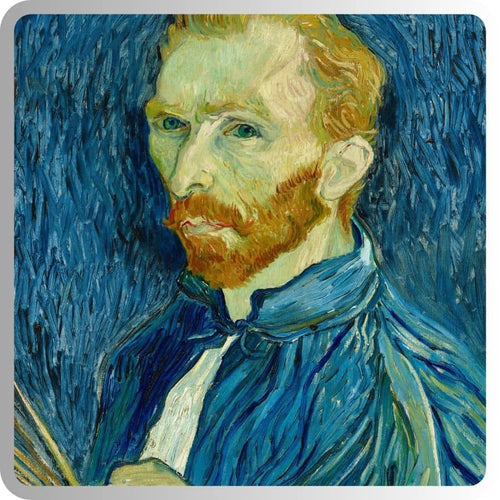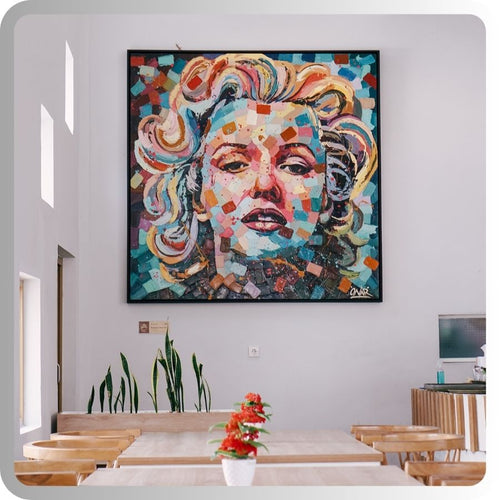

If you are thinking about selling your finished paint by numbers canvases, the short answer is: yes, people do buy them. But not every painting sells, and not every platform works the same. This guide focuses on what matters in practice—what to paint, where to sell, and how to price your work so it makes sense.

What People Actually Buy
Not all designs perform equally. In most cases, buyers prefer:
- Custom portraits (family, couples, pets)
- Recognizable styles (classic artists, vintage scenes)
- Clean compositions that look good on a wall
Highly detailed or overly complex scenes can look impressive, but they are harder to finish and don’t always sell better. Simpler layouts with clear subjects often perform more consistently.
If you want to test demand, browse different paint by numbers kits and note which styles appear repeatedly across stores. That is usually a signal of steady demand.
Is It Legal to Sell Paint by Numbers?
Whether you can sell a finished paint by numbers painting depends on the original design and the rights attached to it. Buying a physical kit does not automatically give you permission to sell finished versions of copyrighted artwork.
Before listing a painting, check the kit provider’s terms and confirm that the source image can be used commercially. A photograph you created yourself, an image used with the owner’s permission, or artwork in the public domain may be suitable. However, a modern kit based on a public-domain painting can still contain separately protected artwork, line work, or other original elements.
If the permitted use is unclear, ask the supplier for written confirmation. Simply describing a finished painting as a reproduction does not provide permission to sell it. Copyright rules also vary between countries, so specific licensing questions may require professional legal advice.
Where to Sell Your Paintings
Different platforms attract different buyers. The most common options are:
- Etsy – best for handmade and custom work
- eBay – more price-driven, competitive
- Local marketplaces – useful for testing demand without fees
Custom work usually performs best. Offering a made-to-order painting from a customer’s photo can significantly increase perceived value. For that, you can use a custom paint by numbers kit as your base and sell the finished piece.
How to Price Your Work (Realistically)
Pricing is where most people get it wrong. A simple way to approach it:
- Cost of kit: $20–$40
- Time spent: 10–30 hours (depending on size and detail)
- Approximate asking-price range: $40–$150 for most non-custom pieces, depending on size, finish, and sales platform
These figures are approximate starting points rather than guaranteed selling prices.
If a painting takes you 30 hours, pricing it at $50 is not sustainable. Track your time on the first few pieces so you understand your real cost. Some sellers also test higher prices first and only lower them if there is no interest, instead of starting too low.
Custom portraits can go higher because buyers attach personal value to them. As a rough reference, a well-finished custom pet portrait in a 40 × 50 cm format may sell for approximately $120–$180, especially if it is framed and presented with clean, well-lit photos. Actual prices vary by platform, subject, and demand.
Lowering Your Costs
Margins matter. If you plan to sell regularly, don’t buy single kits at retail price.
- Ask for discounts if you buy repeatedly
- Consider bulk or wholesale orders if you plan to scale
Lower input cost = more flexibility in pricing.
What Makes a Painting Sell
Beyond the design itself, a few details make a big difference:
- Clean edges and neat finishing
- Good lighting in product photos
- Simple framing (or at least a mockup)
For a cleaner final presentation, decide whether to seal the finished paint by numbers painting before photographing or framing it for sale.
You are not just selling a painting—you are selling how it looks on a wall.
Small Ways to Stand Out
Since many kits use the same base designs, small changes help:
- Adjust colors slightly
- Use a better frame
- Focus on consistent style (e.g. vintage interiors, pets, landscapes)
- You don’t need to reinvent the artwork. You just need to present it better.
- How Long It Takes (and Why It Matters)
Time is your main cost. A 40×50 cm canvas can take anywhere from 12 to 25 hours depending on detail and experience. Track your hours on the first 2–3 pieces. If you can’t finish a piece within a reasonable time, switch to simpler designs that still look good on a wall.
Simple Workflow That Saves Time
A basic process helps keep quality consistent:
- Start with larger areas first
- Work from top to bottom to avoid smudging
- Use a light source to keep colors accurate
- Seal the painting once finished (optional, but helps durability)
This keeps your output predictable, which matters if you want to sell more than one piece.
Product Photos That Convert
Most buyers decide based on photos. A simple setup works:
- Natural light near a window
- Neutral background (wall or desk)
- One close-up + one full shot
- Optional: a framed mockup
Avoid dark or yellow lighting. The goal is to show true colors and a clean finish.
Shipping and Handling
Think about this early:
- Rolled canvas (cheaper shipping, lower risk of damage)
- Stretched/framed (higher price, better presentation)
If you ship framed pieces, pack corners carefully. Damage during shipping will eat your margins quickly.
Listing Basics (Titles and Keywords)
Keep titles simple and specific:
- “Custom Pet Paint by Numbers – Finished Painting”
- “Vintage Landscape Paint by Numbers Artwork”
Avoid generic titles like “Beautiful Painting”. Use what the buyer would search.
Common Mistakes When Selling Paint by Numbers
A few common mistakes can slow you down or reduce your chances of making sales:
- Pricing too low without tracking time spent
- Choosing overly complex designs that take too long to finish
- Poor lighting or unclear product photos
- Using generic titles that don’t match search intent
- Trying to sell everything instead of focusing on a clear style
Most of these are easy to fix once you notice them. Start simple, track what works, and adjust as you go.

Final Thoughts
Selling paint by numbers artwork can work, but only if you treat it like a small business, not just a hobby. Focus on designs that people already want, keep your costs under control, and present your work clearly.
If you want to explore which styles are currently popular, you can browse our painting by numbers shop and use them as a reference for what tends to sell.