Introduction to DIY Coasters
Coasters are one of those small items that get used every day, so mistakes show up fast. Water rings, sticking cups, or paint that fades after a few uses are common issues when they are not made properly. That is why simple, durable designs usually work better than overly decorative ones.
If you want something that actually lasts, focus on materials and technique first, not just the look. A clean surface, the right paint, and proper sealing make more difference than adding extra details. Once the basics are right, even minimal designs can look sharp on a table.
In this article, you will find practical coaster painting ideas, along with tips that help avoid common problems beginners run into.

Creative DIY Coaster Ideas
- Cork Coasters – Easy to cut and naturally absorbent. Good for quick projects, but paint can bleed if you use too much water.
- Tile Coasters – Ceramic tiles are one of the best options. The surface is smooth, and mistakes are easier to fix before sealing.
- Wooden Coasters – Work well for simple patterns. Grain can show through paint, which can either look good or ruin fine details.
- Resin Coasters – Durable and glossy, but harder to control. Small bubbles and uneven curing are common issues.
- Fabric Coasters – Practical and washable, but not ideal for detailed painting.
- Concrete Coasters – Heavy and stable. Paint sits well on top, but sealing is critical.
- CD Coasters – Cheap and easy to reuse, though the surface needs prep before painting.
- Mosaic Coasters – Visually interesting, but time-consuming and not beginner-friendly.
- Leather Coasters – Clean look, minimal decoration needed.
- Pressed Flower Coasters – Look good under resin, but placement needs patience.

Homemade Coasters: Paint your own DIY coasters
Painting coasters is different from painting on canvas. The surface is small, so spacing and control matter much more. Designs that look simple on paper can become messy if they are too detailed.
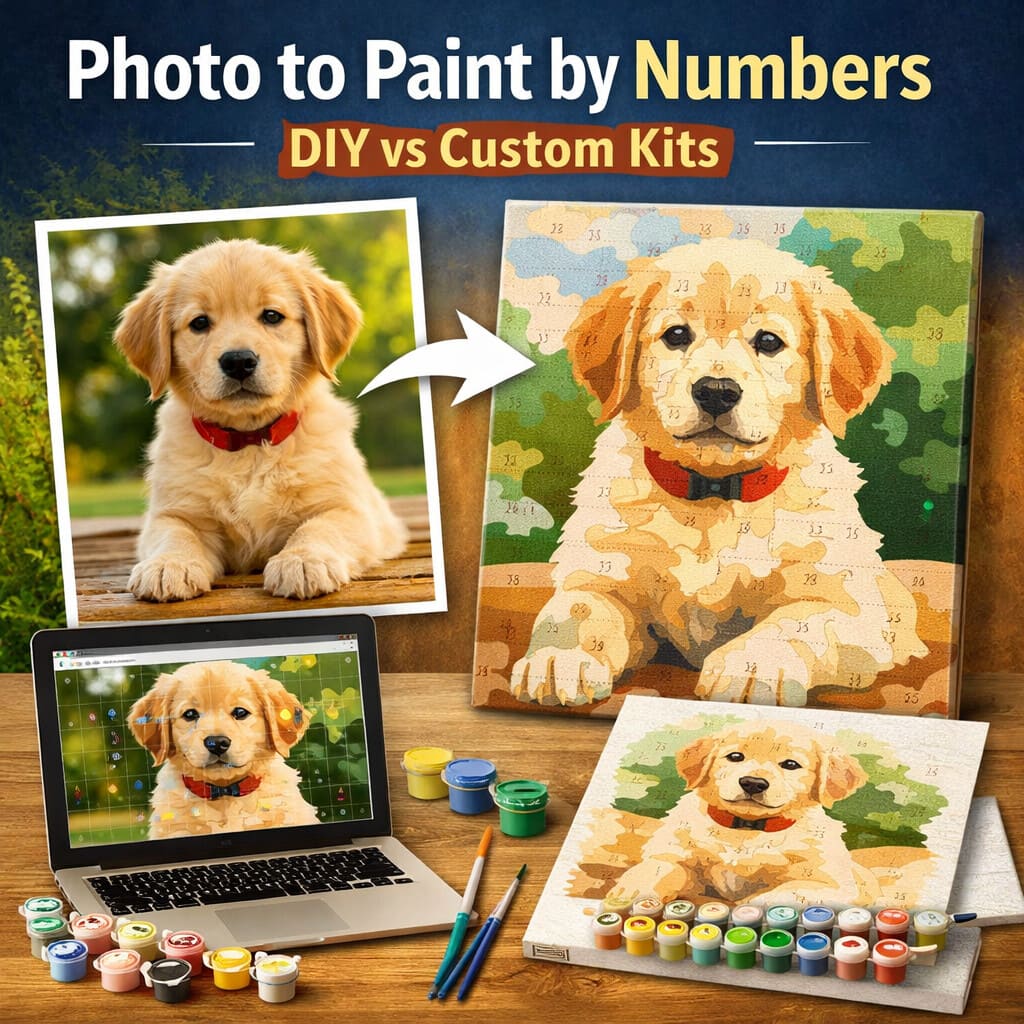
This is one of the main differences compared to larger paint by numbers canvases. On a big surface, you have more room to correct mistakes and blend colors gradually. On coasters, even small inaccuracies are visible, which is why simpler compositions tend to work better.
Beginners usually get better results with limited colors and clear shapes. Stripes, geometric layouts, or simple floral elements are easier to control and look cleaner when finished.
One common issue is paint spreading outside edges, especially on porous materials. Using less water and applying thinner layers helps keep lines sharp.
If you are making a full set, consistency becomes important. Even small differences in spacing or color tone are noticeable when coasters sit next to each other.
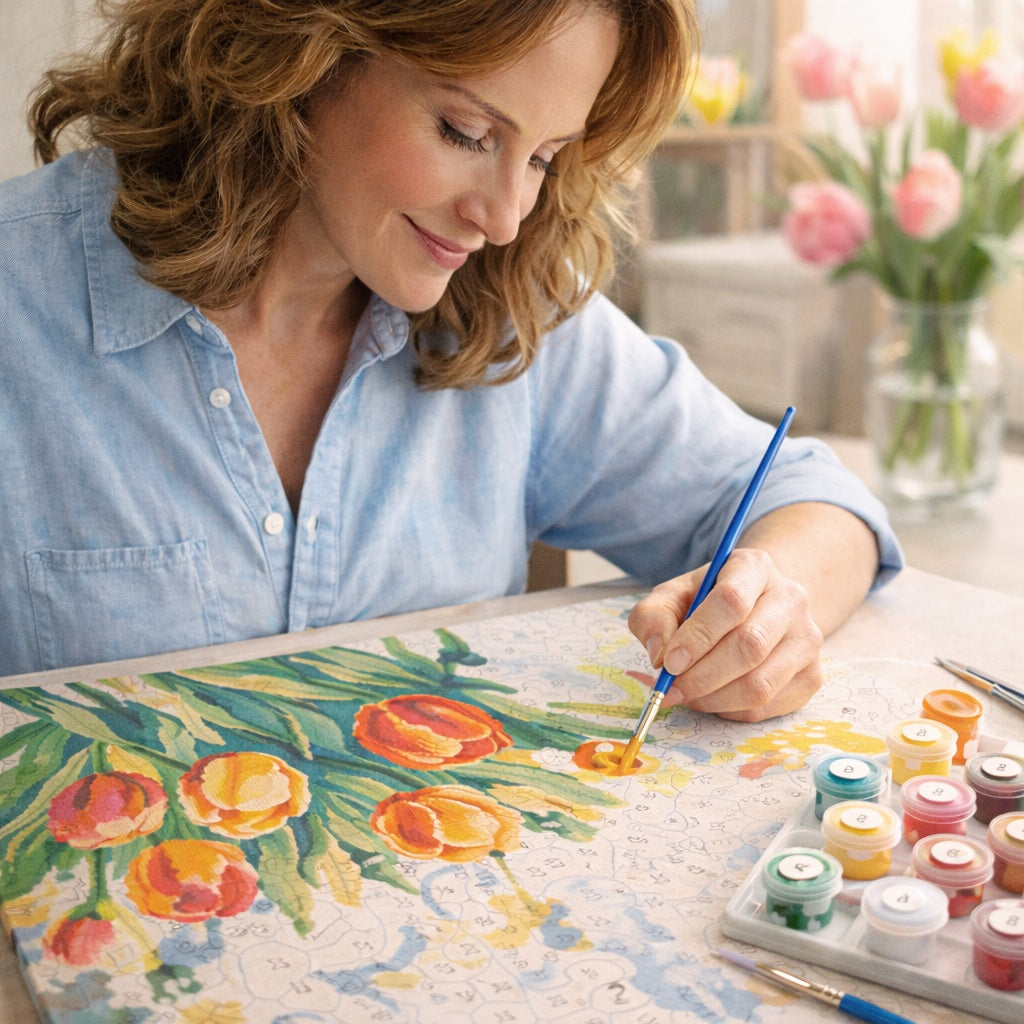
For those who want more predictable results without sketching everything from scratch, structured templates can help. You can try coaster paint by numbers kits to keep designs consistent while still focusing on the painting process. These kits usually include a full set of 6 coasters, pre-printed outlines, matching acrylic paints, and brushes, so you do not need to prepare anything yourself. This makes them a practical starting point if you want a ready-to-use DIY setup instead of building everything from scratch. They are especially useful for beginners who want clean, repeatable results without worrying about spacing or proportions.
What kind of paint do you use on coasters?
Acrylic paint is the most reliable option for coasters. It dries fast, sticks well to most surfaces, and holds color after sealing.
The biggest mistake beginners make is using paint that is too diluted. This causes bleeding on cork or wood and weak coverage on tiles. It is better to apply two thin layers than one thick one.
Matte acrylics are easier to control, while glossy ones can look uneven before sealing. If you are working on ceramic tiles, cleaning the surface with alcohol before painting improves adhesion.

How do you seal homemade coasters?
Sealing is what makes coasters usable, not just decorative. Without it, even good designs will start to fade or stick to cups after a few uses.
Mod Podge can work as a base, but it is not enough on its own for long-term durability. A proper top coat is necessary.
Polyurethane or acrylic varnish creates a stronger barrier against water and heat. Spray versions are easier for even coverage, while brush-on sealers give more control but can leave streaks if applied too thick.
Apply at least two thin layers and let each one dry fully. Rushing this step often leads to a sticky surface or visible marks. In some cases, the surface can even stick to the bottom of a cup if the sealer is not fully cured, which ruins both the finish and usability.
Top Coaster Painting Ideas
Not every design works well on a small surface. The best coaster designs are those that stay readable from a distance and do not rely on fine detail.
Geometric patterns, simple landscapes, and bold shapes tend to perform better than complex illustrations. High contrast between colors also helps designs stand out when viewed on a table.
If freehand painting feels inconsistent, using a guided approach can save time and reduce errors. Structured designs make it easier to repeat patterns across multiple coasters and achieve a cleaner final result.